






Brand: MILK MASTER
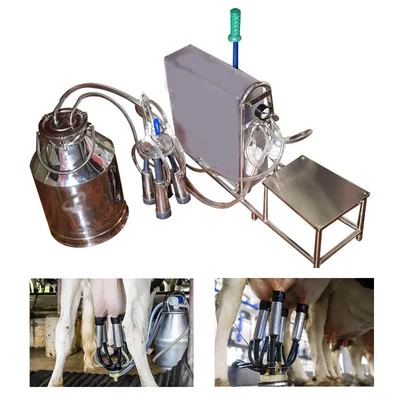
MILK MASTER Manual Operated Fully Stainless Steel Milking Machine With 15 Litres Bucket & Sitting Stool
SKU: DM-KE-20236178
 2808 people have viewed this recently
  Estimated Delivery By: Oct 10 - Oct 12




MRP : ₹20999 ₹18999
10% OFF!
2808 people have viewed this recently Estimated Delivery By: Oct 10 - Oct 12 Easy Return
& Refund
& Refund
Quality
Assurance
Assurance
Trusted
Delivery
Delivery
After Sales
Assistance
Assistance
Buyer
Protection
Protection
₹18999 (Including GST)
MRP : ₹20999
10% OFF!
Get Extra ₹285 OFF on Prepaid Orders
QTY :
-
1
+
Short Description
MILK MASTER Manual Operated Milking Machine
With 15 Litres Bucket & Sitting Stool
Fully Stainless Steel Body Material
Suitable for Both Cows & Buffaloes
With 15 Litres Bucket & Sitting Stool
Fully Stainless Steel Body Material
Suitable for Both Cows & Buffaloes
Country of origin: India
Specifications
- Brand: MILK MASTER
- Material : Stainless Steel
- Weight (Approx.) : 17.5 kg
- Operation Mode : Manual
- Number of Buckets : Single Bucket
- Vacuum Speed : 350mm Hg max
- Milk Bucket Capacity : 15 Liters
- Applicable to : Cow and Buffalo
- Time for milking : 5 to 6 min/cow (10 cows per hour)
- Pulsing pattern : Alternating Pulsing at One Pulse/Stroke
- Adaptability : One Animal at a Time.
Description
The Manual Milking Machine as the name suggests, this machine is used for milking the cows and is operated manually. This milking machine consists of a single milking bucket which is attached with milking cluster using pipes, one end of the pipe is connected to the milking cluster while the other is connected to the milking bucket which transfers the extracted milk from the cows' udders to the milking bucket using vacuum suction. This machine eases the process of milking your livestock and doesn't cause any sort of discomfort to the animals.
Features
:- User-Friendly Operation : Equipped with intuitive controls, trolley type milking machines are designed for straightforward operation, reducing training time for new users.
- Efficient Milking Process : The integration of advanced technology leads to a faster milking process, reducing the time spent per cow while maximally extracting milk.
- Hygienic Milking Process : The milking process is hygienic because the user doesn't come in direct contact with the milk which reduces the chances of contamination, improving the hygiene standards.
Accessories
:- Ball Valve
- Claw
- Cluster
- Liner Cap
- Milking Pipe
- Pump Maintenance Kit
- Stool
- Vacuum Gauge
- Vacuum Pipe
- Vacuum Pump
Note :
- The liners have a snug fit on the cow's udders because of the food-grade flexible rubber material used.
- The cows and buffaloes need to be habituated for some time.
Applications
:- Small-Scale Dairy Farms : Manual milking machines are particularly beneficial for small-scale dairy farms where farmers may have only one or two cows, goats, or sheep. These machines allow for efficient milking without the need for extensive infrastructure associated with larger dairy operations.
- Improved Milk Quality and Hygiene : Using a manual milking machine helps ensure cleaner milk by minimizing contamination risks that can occur during hand milking. The enclosed system reduces the likelihood of dirt, debris, or manure entering the milk, which is crucial for maintaining high-quality standards in dairy production.
- Time Efficiency in Daily Operations : Manual milking machines enhance time efficiency by allowing farmers to milk multiple animals simultaneously or quickly milk one animal at a time. This efficiency is particularly valuable during busy seasons when farmers need to manage various tasks on the farm.
Usage
:Step 1 : Preparation
Before milking, ensure that you have all necessary items ready :
- Milk containers : Clean, sanitize containers to collect the milk.
- Udder preparation : Wash the udder with warm water to remove dirt and bacteria, and then dry it with a clean cloth to prevent contamination.
Step 2 : Setting Up the Machine
- Assembly : Assemble the milking machine according to the manufacturer's instructions. The machine comes with a base unit, a milk container, and teat cups.
- Positioning : Make sure the machine is placed on a stable surface near the animal you are milking.
- Adjustments : Check if there’s an adjustable vacuum control, and set it to the manufacturer’s recommended level to avoid causing discomfort to the animal.
Step 3 : Milking Process
- Calm the Animal : Ensure the animal is calm. You can do this by talking softly or offering a treat.
- Attach Teat Cups : Gently attach the teat cups to the animal's teats (udders). Make sure they fit securely but are not too tight, as this could cause pain.
- Start Milking : Begin operating the machine using the hand pump. Practice a steady and rhythmic motion to maintain milking pressure without abrupt changes.
- Monitor the Process : Keep an eye on the milk flow and duration. You may need to adjust the position of the teat cups occasionally to ensure all teats are adequately milked.
- Finish Up : Once milk flow slows down considerably, detach the teat cups carefully. Avoid jerking to prevent discomfort to the animal.
Step 4 : Storage
- Immediately after milking, transfer the collected milk into pre-prepared containers and store them in a cool, refrigerated area to preserve freshness.
Maintenance :
- Clean After Each Use : After every milking session, disassemble the machine and wash all components that come into contact with milk. Use warm, soapy water and a soft brush, paying special attention to the teat cups and milk container. Rinse thoroughly and allow to air dry.
- Lubrication : If applicable, apply a food-safe lubricant to any moving parts that facilitate operation, as recommended in the user manual.
- Inspect the Machine : Examine all parts for wear, including hoses, clamps, and the base unit. Make any repairs or replacements as necessary.
- Check Alignment and Functioning : Test the machine to ensure everything operates smoothly without unusual noises or resistance. This is also a good time to readjust the vacuum control if needed.
- Professional Servicing : Depending on your usage frequency, consider having a professional service the machine at least once a year to ensure its operational efficiency and safety.
Ask AI

 AI-generated answers may be inaccurate. Double-check critical facts.
 Questions & Answers (0)

Select attribute