



Brand: Generic ( Made in India )
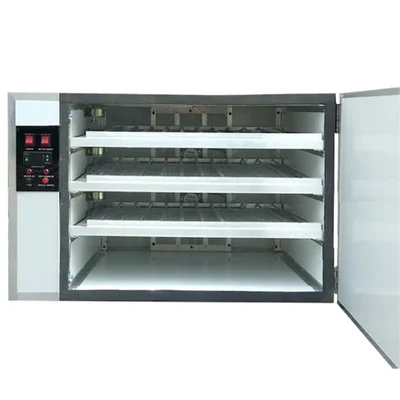
300 Eggs Incubator With Hylam Sheet Frame and 3 Aluminum Tray
SKU: TI-3E-52591 Estimated Delivery By: Oct 9 - Oct 11




MRP : ₹58000 ₹33999
41% OFF!
Estimated Delivery By: Oct 9 - Oct 11 Easy Return
& Refund
& Refund
Quality
Assurance
Assurance
Trusted
Delivery
Delivery
After Sales
Assistance
Assistance
Buyer
Protection
Protection
₹33999 (Including GST)
MRP : ₹58000
41% OFF!
Get Extra ₹510 OFF on Prepaid Orders
QTY :
-
1
+
Short Description
300 Eggs Incubator
With Hylam Sheet Frame
Aluminum Tray
Country of origin: India
Specifications
- Brand: Generic ( Made in India )
- Weight (Approx.) : 35 kg
- Model No. : DMI0300I NC
- Power Supply : 230V
- Current : 5 A
- Frequency : 50/60 Hz
- Watts : 180 W
- Egg Type : Chicken / Duck / 720 Quail
- No. of Aluminium Setting Tray : 3
- Frame Material : Hylam Sheet
- Tray Material : Aluminium
- Chicken Eggs : 300 Eggs
- Quail Birds Eggs : 720 Eggs
Description
This 300-egg incubator is a high-capacity, professional-grade solution designed for consistent hatching rates. It utilizes a Hylam (Industrial Laminate) sheet frame, known for its superior thermal insulation and moisture resistance, paired with aluminum egg trays that ensure hygiene and durability. This combination is engineered to maintain a stable microclimate, protecting embryos from external temperature fluctuations. It features a sturdy Hylam sheet frame and an aluminum tray, ensuring durability and ease of cleaning. This incubator is perfect for small-scale farmers, breeders, and hobbyists looking to hatch eggs efficiently.
Features
:- High-Quality Hylam Frame: The industrial-grade Hylam sheets provide excellent structural rigidity and are resistant to warping under high humidity.
- Aluminum Tray System: Lightweight, rust-proof aluminum trays allow for better air circulation around the eggs and are easy to sterilize.
- Precision Temperature Control: Equipped with a digital thermostat to maintain the optimal environment for embryonic development.
- Automatic Turning Mechanism: Features a motorized system to tilt eggs at regular intervals, preventing the embryo from sticking to the shell.
- Integrated Humidity Management: Built-in water channels and sensors ensure the air remains moist enough to prevent shell hardening.
- Dual-View Observation: Often includes a transparent viewing window to monitor the hatching process without opening the door and losing heat.
Applications
:- Small-Scale Poultry Farming: Ideal for farmers looking to scale up their flock of chickens, ducks, or turkeys.
- Quail and Game Bird Breeding: Precision settings allow for the incubation of smaller, delicate bird species.
- Research & Education: Used in biological laboratories and schools to study avian development and life cycles.
- Rare Breed Conservation: Provides a controlled environment for hatching endangered or exotic bird species.
- Hatchery Startups: Serves as a primary unit for entrepreneurs starting a commercial chick supply business.
- Homesteading: Enables self-sufficiency for large families or homesteaders managing significant livestock.
Usage
:- Step 1 : Clean the Incubator : Thoroughly clean and disinfect the incubator to prevent the spread of bacteria and disease.
- Step 2 : Set the Temperature : Set the incubator to the recommended temperature, which is typically around 99.5°F (37.5°C) for chicken eggs.
- Step 3 : Calibrate the Humidity : Humidity levels should be around 40-50% for the first 18 days and 60-70% for the last three days. Use a hygrometer to monitor humidity levels and adjust as necessary.
- Step 4 : Position the Eggs : Place the eggs in the incubator with the larger end slightly upwards. This allows the chick to position itself correctly during hatching.
- Step 5 : Set the Timer for Turning : Automatic incubators should have a setting for egg turning. Set the timer to turn the eggs every two to four hours.
Ask AI

 AI-generated answers may be inaccurate. Double-check critical facts.
 Questions & Answers (0)

Select attribute