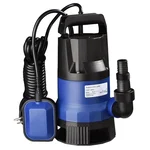
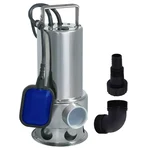
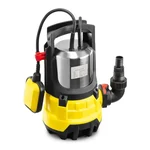
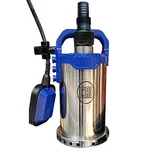
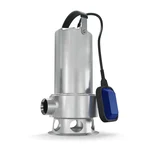
What is Dewatering Pump?
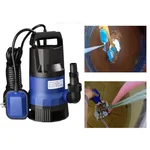
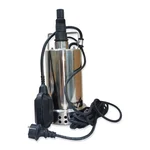
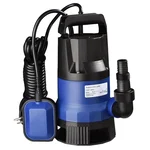
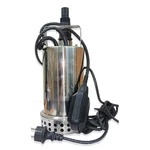
A dewatering pump is a machine used to remove unwanted water from places like construction sites, basements, or flooded areas. It helps in keeping work areas dry by moving water caused by rain, groundwater, or floods. These pumps are strong, easy to use, and are built for good performance and efficiency. They are commonly used in construction, water management, and other industries where quick water removal is needed.
How to Select the Right Dewatering Pump
Choosing the right dewatering pump depends on your specific needs and the type of water you want to remove. Here are some key points to consider before making a decision:
Type of Water
First, check what kind of water you need to pump. Is it clean water, dirty water with sludge, slurry, or mud? For example:
Use standard pumps for clean or slightly dirty water.
Use sludge or slurry pumps for thick, muddy, or solid-filled water.
Flow Rate and Capacity
Flow rate means how much water the pump can move in a certain time, usually in liters per minute (LPM) or gallons per minute (GPM). Choose a pump with enough capacity to handle the amount of water you need to remove efficiently.
Pump Power and Motor
The hp (horsepower) of the pump’s motor affects how powerful it is. A higher HP means the pump can move water faster and handle tougher jobs. Also, consider the rpm and the phase (single-phase or three-phase), depending on your power supply.
Pump Head and Lift
This tells you how high or far the pump can move water. If you're draining deep pits or wells, you’ll need a pump with a higher head.
Portability and Build Quality
If you need to move the pump between different locations, choose a model that is lightweight and easy to carry. A good quality pump should also be durable and able to work in rough conditions without breaking down.
Voltage and Power Supply
Make sure the pump’s voltage matches your power source. Using the wrong voltage can damage the pump or reduce its performance.
Price and Manufacturer
Compare different models and check the dewatering pump price based on the features you need. Also, look for a trusted manufacturer who offers good service and warranty. A cheaper pump might not always give the best efficiency or last as long.
The right pump ensures faster work, better water management, and long-lasting performance. Choose wisely based on your needs.
Use Cases of Dewatering Pump in Industry
Dewatering pumps play an important role in many industries where water removal is necessary to keep operations running smoothly. These pumps are designed to handle different types of liquids such as groundwater, rainwater, slurry, or even sewage, depending on the need. Below are some common use cases across various sectors:
Construction Sites
Construction sites often collect water from rain or underground sources. Dewatering pumps help control the water level in foundations, trenches, and excavation pits. This ensures a dry and safe working area, improving both safety and performance on site.
Mining Industry
In mining, large amounts of groundwater or sludge can flood the work area. Dewatering pumps are used to drain and transfer this water, making mining operations safer and more efficient.
Flood Management
During heavy rainfall or natural disasters, certain areas can become flooded. High-capacity pumps are used by municipalities or emergency services to remove floodwater quickly, helping to protect property and reduce damage.
Municipal and Wastewater Systems
In city or rural areas, dewatering pumps help manage sewage and stagnant water in drainage systems. These pumps are also used for slurry and sludge removal in water treatment plants.
Industrial Plants
Factories and processing plants use industrial pumps like dewatering pumps to manage water flow in different stages of production. Whether it’s for cooling systems, cleaning, or controlling water waste, the pumps support smooth industrial operations.
These use cases show how flexible and reliable dewatering pump systems are in handling a wide range of water-related challenges in different industries.
Benefits of Purchasing a Dewatering Pump
Investing in a quality dewatering pump offers many advantages, including:
Efficient Water Removal: Quickly removes large amounts of water like rainwater, flood, or groundwater, keeping your area dry and safe.
Improved Safety and Working Conditions: Reduces risks by preventing water-related accidents and damage at construction sites and industrial workplaces.
Durability and Long Life: Built with durable parts and strong motor systems to handle tough liquids such as mud, sludge, and slurry.
Versatile Applications: Suitable for various industries, from draining flooded basements to managing sewage in treatment plants.
Saves Time and Labor: Speeds up water removal, reducing the need for manual work and helping projects finish faster.
Value for Money: While the dewatering pump price varies, the long-term benefits include less downtime and protection against water damage.
Why Choose Toolsvilla?
Toolsvilla is a trusted platform for buying high-quality dewatering pumps in India. We offer a wide range of pumps with different capacities, horsepower (hp), and flow rates to meet all kinds of needs, from small home projects to large industrial jobs.
The dewatering pump price is competitive, ensuring you receive good value without compromising quality or performance. Their pumps come from reliable manufacturers known for making strong, durable machines that work well with tough liquids like sludge, slurry, sewage, and floodwater.
We also offer fast delivery and excellent after-sales support. This means you get your pump quickly and have help whenever you need it, ensuring a smooth and worry-free buying experience. Choosing Toolsvilla means getting quality products, fair prices, and trusted customer service all in one place
Frequently Asked Questions (FAQs)
What is a dewatering pump used for?
A dewatering pump is used to remove unwanted water from places like construction sites, basements, flooded areas, and mines to keep the area dry and safe.
What are the key features to look for in a dewatering pump?
Look for flow rate, motor power (hp), capacity, head height, durability, and whether it can handle clean water, dirty water, or solids like sludge.
What factors affect the dewatering pump price?
The price depends on the pump’s capacity, motor power, build quality, brand, and features like phase type, rpm, and materials used.
Can a dewatering pump handle sludge and slurry?
Yes, but only specific models designed for heavy-duty or slurry applications. Always check if the pump supports solid or semi-solid material.
How do I maintain and care for my dewatering pump?
Clean the pump regularly, check for blockages, inspect the motor and wiring, and store it in a dry place when not in use. Follow the manufacturer’s guidelines for best results.
 Delivery In 5-7 Days
 Lowest Price in 90 Days