Shop Lab Equipment Online
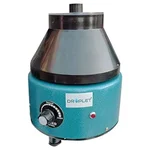
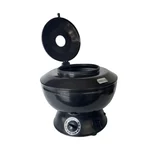
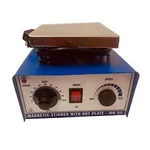
Buy laboratory equipment online to find the tools you need for accurate testing and daily lab work. You can compare specifications and build quality before choosing items like microscopes, pH meters, balances, centrifuge machines, and other lab apparatus. Clear product details help you select equipment that delivers consistent results. Buying online keeps everything simple, from ordering to delivery, so you can focus on your work without the hassle of sourcing from multiple places.
What to Consider Before Buying Lab Equipment?
Choosing lab equipment is mostly about matching the tool to the work you need to do. Before buying, look at how the equipment performs, how it fits into your lab space, and how easy it will be to use and maintain over time.
Know the Purpose and Required Accuracy
Start with the task you need the equipment for. Routine lab checks and research work often require different levels of accuracy. For example, a high-precision balance is needed for formulation or analytical work, while a basic balance may be enough for general measurements. Make sure the equipment can provide the level of accuracy and repeatability your work needs.
Check Specifications and Performance
Focus on the technical details rather than product labels. Look at measurement range, stability, calibration options, and response time. For instruments like spectrophotometers, pH meters, or centrifuges, check how consistent the readings are and how well the device performs across repeated tests.
Fit With Existing Lab Setup
Confirm that the equipment works with what you already use. Check sample holders, tubes, software formats, and power requirements. Smooth compatibility avoids the need to replace other lab tools just to make one instrument workable.
Calibration and Maintenance
Every lab instrument needs calibration at some point. Make sure you know how to calibrate it, how often it needs it, and whether the calibration kits or reference standards are easy to get. Also consider how simple it is to clean or replace parts like electrodes, filters, or seals.
Durability and Build Quality
The equipment should be made to handle your lab environment. For example, tools used around chemicals should have corrosion-resistant surfaces. Items that are handled daily, such as micropipettes or balances, should feel sturdy and comfortable to use.
Running Costs and Consumables
Some equipment needs regular consumables such as tips, reagents, or calibration solutions. Compare the availability and cost of these items. Sometimes a cheaper machine ends up costing more because its consumables are expensive or hard to find.
Warranty and Support
Check the warranty period and what it covers. Reliable customer support makes a difference when you need quick guidance or replacement parts. Look for suppliers who provide clear instructions, training help, or service support when needed.
Carefully weighing these factors helps you pick lab equipment that performs reliably, fits your workflow, and keeps operating costs predictable.
Why Choose Toolsvilla?
Toolsvilla makes it easier to buy laboratory equipment online by offering a wide range of reliable instruments in one place. You’ll find clear product details, transparent laboratory equipment price options, and helpful support if you’re unsure what suits your setup. Orders are delivered to your lab or workspace without complications, and returns are straightforward if something doesn’t fit your needs. It’s a practical way to get quality lab equipment without spending time sourcing from multiple suppliers.
Frequently Asked Questions (FAQs)
What equipment is used in a lab?
Labs use tools like microscopes, balances, pH meters, centrifuges, glassware, and heating devices to measure, observe, mix, and analyze samples.
What are the different types of lab equipment?
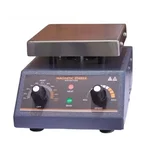
Lab equipment generally falls into measurement tools, heating and cooling devices, mixing and stirring equipment, analytical instruments, and basic glassware used for handling samples.
Why is laboratory equipment important?
Laboratory equipment allows experiments and tests to be carried out accurately and safely. It helps produce reliable results and supports consistent research, testing, and learning.
What is the most common lab equipment in schools and research labs?
Common items include microscopes, beakers, flasks, test tubes, balances, thermometers, and simple heating tools like Bunsen burners or hot plates.
 Delivery In 5-7 Days
 Lowest Price Ever