- Farm & Garden
- Pumps & Motors
- Food Processing
- Workshop, DIY & MRO
- Lab & Measuring Tools
Product Type
Price
Brands
Stock Availability
Caster Wheel
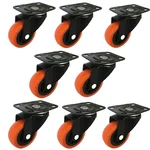

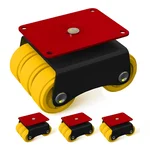
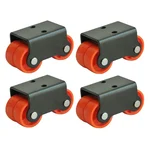
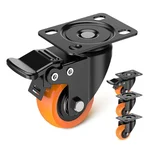
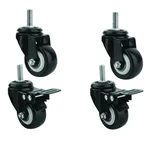
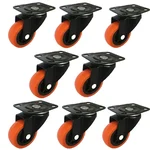
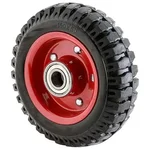
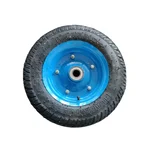
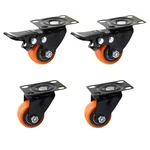
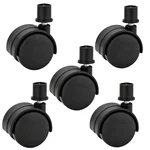

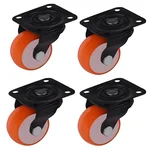

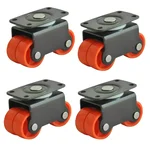
About Caster Wheel 
How to Choose the Right Caster Wheel
A caster wheel is a small, swiveling wheel attached to a base, allowing for easy movement of objects. It’s commonly used in furniture, carts, and industrial equipment to provide mobility and improve maneuverability.
Selecting the right caster wheel is key to ensuring smooth, reliable movement for your equipment, furniture, or machinery. Whether you’re upgrading your office chairs or outfitting industrial machines as part of your material handling tools, the right choice can make a big difference in performance, safety, and longevity. With so many options available, understanding the key factors that affect wheel performance will help you make an informed decision and get the most out of your investment.
Brands
Considering well-known and trusted brands is essential. Some of the top brands we offer include Ackwheel, Generic, Prakash, PROBECHO, and Suwas Trolley Store, among others. These brands offer a wide variety of caster wheels to meet different needs, from light-duty to heavy-duty applications.
Material
Caster wheels come in a variety of materials, each suited to different needs. Common materials include steel, nylon, rubber, polyurethane, cast iron, and plastic. The right material for your caster wheel will depend on the specific requirements of your application.
Wheel Diameter
Wheel diameter is an important factor to consider when selecting a caster wheel. Common sizes range from 2" to 8" and beyond, with measurements typically given in inches or millimeters. The right diameter will depend on the type of surface and load you need to move. Larger diameters generally provide smoother movement and better handling of obstacles.
Load Capacity
When selecting caster wheels, it's crucial to consider the load capacity, which indicates how much weight the wheel can safely support. Common load capacities range from 50 lbs to 1000 lbs and beyond, depending on the application. For material handling, choosing a caster wheel with the appropriate load capacity ensures safe and efficient movement of goods or equipment without damaging the wheel or the items being moved. Be sure to match the wheel’s capacity to the weight of the load to avoid premature wear and potential safety hazards.
Mounting Type
The mounting type of a caster wheel determines how it attaches to the equipment or furniture. Common mounting options include plate mount, stem mount, bolt hole, and threaded stem. Each type offers a different level of stability and ease of installation, so it’s important to choose one that aligns with your specific needs and application.
Swivel Type
Caster wheels come in three primary swivel types:
Swivel: These wheels rotate 360° and offer easy maneuverability, making them perfect for applications that require frequent direction changes.
Rigid: Rigid casters are fixed in one direction, providing stability and straight-line movement. They are ideal for equipment that doesn't require frequent turning.
Locking Swivel: Locking swivel casters combine the mobility of swivel wheels with the added benefit of a brake or lock mechanism, allowing you to secure the wheel in place when needed.
Choosing the right swivel type ensures smooth operation based on your specific needs and how you plan to move the equipment.
Brake Type
Brake type is an essential consideration for controlling the movement of caster wheels. Common brake options include:
No Brake: These wheels offer free movement without any locking mechanism, suitable for situations where mobility is a priority and no stationary positioning is required.
Side Brake: The side brake allows you to lock the wheel from the side, providing a simple way to stop the wheel from rotating while still allowing the caster to swivel.
Top Lock Brake: Top lock brakes are engaged by pressing a lever or pedal on the top of the wheel, securing the wheel in place while preventing rotation or swivel.
Total Lock: Total lock brakes secure both the wheel’s rotation and swivel, ensuring complete stability when the equipment needs to stay in one position.
Selecting the right brake type helps control the movement of your equipment and ensures it stays securely in place when necessary.
Wheel Tread Type
The tread type of a caster wheel impacts its performance on different surfaces. Common wheel tread types include:
Hard: Hard treads are durable and ideal for smooth, even surfaces. They provide less resistance but may be less forgiving on rough or uneven floors.
Soft: Soft treads offer better traction and absorb shock, making them suitable for use on rough or uneven surfaces.
Pneumatic: Pneumatic wheels feature air-filled tires, providing cushioning and shock absorption, which is perfect for outdoor or rough terrain applications.
Non-marking: These wheels are designed to leave no marks on floors, making them ideal for use in sensitive environments like hospitals or clean rooms.
Cushion: Cushion tread wheels provide additional comfort and shock absorption, making them ideal for applications that require both mobility and floor protection.
Bearing Type
The type of bearing in a caster wheel influences its performance and lifespan. Common bearing types include:
Plain Bearing: Simple and cost-effective, ideal for light-duty applications with minimal friction.
Ball Bearing: Reduces friction and provides smoother movement, perfect for applications requiring higher mobility and longevity.
Roller Bearing: Designed to handle heavier loads, offering increased durability and smooth motion for industrial or high-capacity uses.
The right bearing type helps ensure smooth, efficient movement based on the load and use case.
Axle Type
The axle type affects the stability and strength of a caster wheel. Common axle types include:
Bolt Axle: This type uses a bolt to secure the wheel to the axle, allowing for easy assembly and replacement.
Press-fit Axle: A press-fit axle is tightly inserted into the wheel, providing a strong, stable connection without the need for additional fasteners.
Rivet Axle: Rivet axles are permanently fixed, offering a solid, secure attachment that requires no maintenance or additional components.
Axle type ensures proper wheel alignment and durability, contributing to the overall performance of your caster wheels.
Application
Caster wheels are used in a variety of settings, and selecting the right wheel depends on the application. Common uses include:
Furniture: Castor wheels are often used in furniture like office chairs, tables, and carts, offering mobility and ease of movement.
Industrial Carts: For material handling and transport, caster wheels are essential in industrial carts, providing smooth movement across factory floors and warehouses.
Medical Equipment: Caster wheels are crucial in medical equipment, including hospital beds and medical carts, where smooth, quiet, and safe movement is required.
Heavy Machinery: Large machinery often relies on durable caster wheels for stability and mobility during transport or maintenance.
Caster wheels, based on your application, ensure efficiency, safety, and longevity.
Temperature Range
The temperature range of a caster wheel is important for ensuring it performs well in varying environments. Caster wheels are available in different temperature ranges to suit specific needs. Common temperature ranges include:
-20°C to 80°C (-40°F to 160°F), suitable for most indoor and mild industrial environments.
Extreme ranges: Some caster wheels are designed to withstand even more extreme temperatures, withstanding conditions both below freezing and in high-heat environments.
Selecting the correct temperature range ensures that your caster wheels can handle the conditions they will face, whether in cold storage, high-heat areas, or outdoor settings.
Wheel Width
The width of the caster wheel plays a key role in its load distribution and stability. Common wheel widths include:
1/2": Narrow wheels suitable for light-duty applications, offering smooth movement but lower load-bearing capacity.
1": A standard width, providing a good balance of load capacity and maneuverability.
1.5": Wider wheels, offering better stability and weight distribution, ideal for medium-duty applications.
2": These wheels are wider and designed for heavier loads, ensuring better floor protection and smoother movement under high stress.
Choosing the right wheel width ensures the caster wheel can handle your load and offer the stability needed for smooth, efficient operation.
Color
Caster wheels are available in a variety of colors to match different environments or aesthetic preferences. Common colors include Black, Grey, Blue, Red, White, etc.
The color of the caster wheel often reflects the material or intended use. For example, non-marking wheels may come in lighter shades like white or grey, while heavier-duty wheels may be black or red for durability and visibility.
Choosing the right color can be important for visual coordination or safety, especially in high-traffic or industrial areas.
Features
Caster wheels come with a range of features designed to improve performance and suit specific needs. Common features include:
Shock Absorption: Helps reduce vibrations and noise, providing a smoother ride and protecting sensitive equipment or surfaces.
Anti-static: Ideal for environments where static electricity can damage electronic components, these wheels help prevent the buildup of static charges.
Chemical Resistant: Designed to withstand exposure to chemicals, these wheels are perfect for use in environments like laboratories or manufacturing facilities.
Corrosion Resistant: These wheels are built to resist rust and corrosion, making them suitable for use in damp or outdoor environments.
Benefits of Using Caster Wheels
Caster wheels offer numerous advantages across various industries and applications. Some key benefits include:
Enhanced Mobility: Caster wheels make it easier to move heavy equipment, furniture, or machinery, reducing manual effort and increasing efficiency in moving goods or objects.
Improved Safety: By allowing for controlled movement, caster wheels can prevent accidents that may occur when pushing or pulling heavy loads. Locking mechanisms, in particular, ensure that items stay securely in place.
Versatility: Available in a range of sizes, materials, and designs, caster wheels can be used in diverse environments, from warehouses to medical settings, providing flexibility for various applications.
Protection for Floors: Many caster wheels are designed to be gentle on floors, particularly non-marking or soft rubber wheels, preventing damage and preserving the integrity of surfaces.
Durability: High-quality caster wheels are built to withstand heavy loads, extreme conditions, and regular use, offering a long lifespan and reducing maintenance costs.
By incorporating caster wheels, you not only enhance the mobility of your equipment but also improve the safety, efficiency, and longevity of your assets.
Why Buy Caster Wheels from Toolsvilla?
At Toolsvilla, we offer a wide range of high-quality caster wheels to meet all your needs. Whether you’re looking for wheels for furniture, industrial carts, medical equipment, or heavy machinery, we have the right products for every application. Our competitive prices ensure you get the best caster wheel price in India without compromising on quality.
We stock trusted brands like Ackwheel, Prakash, PROBECHO, and more, ensuring durability and long-lasting performance. If you're unsure which caster wheel to choose, our expert team is available to guide you in selecting the perfect option based on your specific requirements.
With fast and reliable delivery across India, Toolsvilla makes it easy to get your caster wheels when you need them. We also prioritize customer satisfaction, offering easy returns and excellent support to ensure a smooth shopping experience.
Frequently Asked Questions (FAQs)
What is the purpose of a caster wheel?
Caster wheels are designed to allow objects or equipment to move easily and smoothly, providing mobility and stability.
Are there alternative names for caster wheels?
Yes, they are sometimes referred to as "castor wheels" or simply "casters."
What is the difference between caster wheels and regular wheels?
Caster wheels are mounted to a swivel or fixed base, allowing easy maneuverability, while regular wheels are typically stationary or only move in one direction.
Do caster wheels rotate or swivel?
Caster wheels can either rotate (swivel) 360° or remain fixed, depending on the type.
How much weight can caster wheels support?
Caster wheels can support varying weights, ranging from as low as 50 lbs to over 1000 lbs, depending on the wheel's size and material.
Are caster wheels strong and durable?
Yes, high-quality caster wheels are designed to be durable and withstand heavy loads and repeated use, especially in industrial settings.
How long do caster wheels usually last?
The lifespan of a caster wheel depends on its usage and environment, but they typically last anywhere from a few months to several years.
What factors affect the lifespan of caster wheels?
Factors such as load weight, frequency of use, the surface type, and wheel material all affect how long a caster wheel lasts.
Are brakes necessary for all caster wheels?
Brakes are not required for all caster wheels, but they are essential when you need to lock the wheel in place for stability or safety.
How do you measure a caster wheel correctly?
To measure a caster wheel, you need to know the wheel diameter, width, and the mounting height or plate size, depending on the type of caster.