- Farm & Garden
- Pumps & Motors
- Food Processing
- Workshop, DIY & MRO
- Lab & Measuring Tools
Product Type
Price
Brands
Stock Availability
Lifting
Featured Brands :



About Lifting 
Related Categories
How to Choose the Right Material Lifting Machine
A material lifting machine is made to lift, lower, and move heavy materials safely. These machines are used across industries such as construction, warehousing, and manufacturing to reduce manual handling and improve workplace safety. They operate through manual, electric, hydraulic, or pneumatic systems and help lift loads vertically or horizontally, depending on the application.
Choosing the right material lifting machine is important for boosting productivity and preventing injuries. You may consider the following factors to make sure the machine suits your needs.
Types of Material Lifting Machine
Cranes: These are Ideal for lifting and transporting heavy loads both vertically and horizontally. Commonly used on construction sites, shipyards, and industrial facilities.
Forklifts: Forklifts are compact machines used for moving pallets and materials in warehouses and distribution centers.
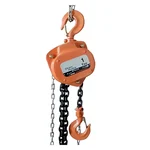
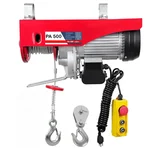
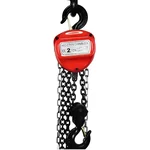
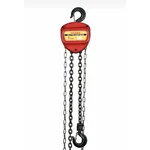
Hoists: Hoists are suitable for vertical lifting of heavy items. Available in manual and powered versions, used in factories, garages, and workshops.
Material Elevators: Material elevators are used to transport goods between floors where cranes or forklifts can’t operate due to space limitations.
Conveyors: Though not traditional lifting machines, they are essential for horizontal or inclined movement of goods along fixed paths in production and storage facilities.
Each type of material lifting equipment is suited to specific environments and tasks. The right choice depends on factors like load weight, lift height, available space, and frequency of use.
Manufacturer
Choosing a reliable manufacturer ensures the longevity and safety of your material lifting equipment. Reputable manufacturers offer high-quality machines, broad product options, and strong customer service.
Brands like Tata, JCB, and Konecranes are known for producing durable lifting machines that comply with safety standards like CE and ISO. A good manufacturer also provides after-sales support, including maintenance, spare parts, and warranty services.
Models
Different models serve different lifting purposes. Some are built for occasional use with light loads, while others are suited for heavy-duty, continuous operations.
When evaluating models, check their load limits, lifting height, dimensions, and features like automatic controls or enhanced safety systems. Selecting the right model helps ensure efficient operation and minimizes downtime.
Year of Manufacture
Newer machines generally include advanced technology, better energy efficiency, and upgraded safety systems. They also meet modern compliance standards, reducing liability and long-term maintenance issues.
Older models may be functional but could lack current features, and parts availability might be limited. Always check the year of manufacture and assess whether it aligns with your operation’s needs and safety expectations.
Capacity (Load Limit)
Load capacity determines the maximum weight a material lifting machine can handle safely. Machines typically fall into three categories:
Light-duty: Up to 500 kg, suitable for small-scale lifting tasks.
Medium-duty: Between 1 to 5 tons, ideal for factories or warehouses.
Heavy-duty: Up to 50 tons or more, used in construction, shipyards, and large-scale industries.
Choose a machine with a comfortable buffer above your heaviest load requirement to avoid overloading and reduce wear and tear.
Lifting Height
Lifting height is how high a machine can raise a load. For warehousing or retail environments, 3 to 5 meters is often sufficient. In construction or multi-story industrial tasks, machines that can reach up to 30 meters are more appropriate.
Always match the lift height to your application to ensure safe and efficient operation.
Power Source
Selecting the right power source ensures operational efficiency and lowers long-term energy and maintenance costs.
Electric: Ideal for indoor use due to quiet, clean, and emission-free operation. Common in warehouses and factories.
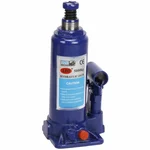
Hydraulic: Offers strong lifting power and precise control, making it suitable for heavy-duty applications and outdoor use.
Diesel: Best for outdoor environments and rough terrain. Offers greater mobility and power for large-scale lifting.
Pneumatic: Runs on compressed air, suitable for environments that require explosion-proof or clean operations, like chemical industries.
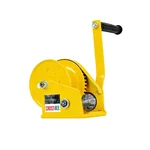
Manual: Powered by human effort via levers or cranks. Suitable for small jobs and maintenance work with low load requirements.
Safety Features
Safety features help protect both the operator and the equipment. Look for machines with:
Overload protection to prevent lifting beyond capacity.
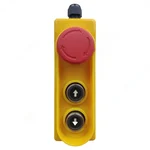
Emergency stop buttons for immediate shutdown.
Anti-drop devices to prevent accidental load falls.
Load sensors that provide real-time weight feedback.
Safety alarms to warn about potential risks or malfunctions.
These features reduce the chance of accidents and ensure compliance with workplace safety standards.
Control Type
Control type affects how the machine is operated. Remote controls allow operation from a distance, ideal for hazardous areas. Wired controls provide consistent input with close-range monitoring. Manual levers are straightforward and used for smaller, simpler equipment. Wireless joysticks offer high precision and flexibility, making them suitable for advanced lifting systems.
Choose a control system that aligns with your workflow and operator safety.
Dimension
The physical size of the machine must suit your workspace. Small machines work well in confined spaces, while larger models are better for industrial applications. Consider the available floor space, access points, and any obstacles when choosing equipment dimensions.
The right size ensures smooth movement, efficient operation, and proper integration into your work environment.
Weight
Machine weight affects stability, transport, and setup requirements. Lighter machines are easier to relocate and install, while heavier machines provide better support for high-capacity lifting.
Always consider your floor load capacity and space before choosing a machine based on its weight.
Attachments
Attachments make your machine more versatile and suited to a wider range of tasks. Choosing the right one improves safety and operational efficiency.
Forklift Tines: Used to lift and move pallets, crates, or flat items.
Hooks: Ideal for construction materials like beams, pipes, and cables.
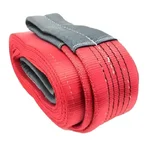
Lifting Slings: Provide secure handling for large or oddly shaped loads.
Grabbers: Useful for gripping irregular or rounded items.
Magnetic Lifters: Designed for lifting metal objects safely and quickly.
Vacuum Lifters: Best for handling glass, tiles, and smooth surfaces using suction.
Warranty Period
Warranty coverage gives you peace of mind. Machines may come with:
1-year warranty for basic parts and labor.
2 to 3 years for more extended coverage and high-performance equipment.
Up to 5 years for industrial-grade machines.
Always check what the warranty includes, such as spare parts, service, and limitations, before making a purchase.
Price
Pricing varies depending on machine type, load capacity, features, and brand. Here's a general range:
Manual machines: ₹1,800 - ₹4,000
Electric or hydraulic hoists: ₹7,000 - ₹20,000
Cranes, forklifts, and heavy-duty machines: ₹2,00,000 - ₹30,00,000+
When comparing prices, also consider warranty, support, and long-term reliability. A slightly higher investment upfront often means fewer issues and better performance in the long run.
Applications of Material Lifting Machines
Material lifting machines are a crucial part of material handling equipment used in many industries to improve safety and efficiency. In construction, they lift heavy items like steel beams and concrete. In warehousing, forklifts and hoists are used to store and retrieve inventory quickly.
Manufacturers use lifting equipment to move components along assembly lines. In logistics, these machines handle cargo at ports and shipping centers. Other sectors like mining, automotive, agriculture, and utilities rely on them for lifting heavy equipment, supplies, and tools.
These machines are vital for any operation that requires consistent, safe handling of materials.
Benefits of Using Material Lifting Equipment
Improved Efficiency: Speeds up operations by reducing manual handling.
Enhanced Safety: Reduces workplace injuries caused by heavy lifting.
Higher Load Capacity: Capable of lifting more than what manual labor allows.
Cost-Effective: Saves money in the long run through reduced labor costs and downtime.
Versatility: Different types suit a wide range of industries and applications.
Reduced Labor Fatigue: Less physical strain on workers, leading to higher morale.
Increased Storage Optimization: Helps store materials vertically to save space.
Better Precision: Advanced controls offer more accurate placement and lifting.
Time-Saving: Helps meet deadlines by moving materials quickly.
Support for Heavy-Duty Tasks: Essential in industries like construction, mining, and manufacturing where manual work isn't practical.