- Farm & Garden
- Pumps & Motors
- Food Processing
- Workshop, DIY & MRO
- Lab & Measuring Tools
Product Type
Price
Brands
Stock Availability
Capping Machine
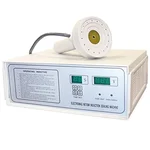

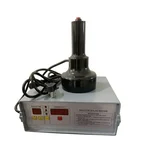
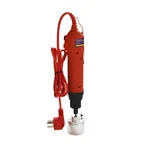
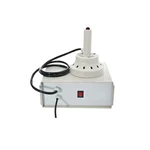

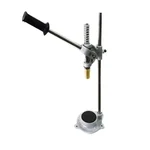
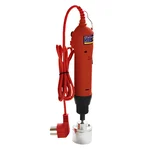
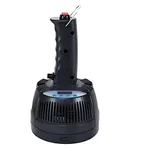
About Capping Machine 
Cap Sealing Machine: Why Does Your Business Need It?
A cap sealing machine helps your business seal lots of bottles quickly. You can choose a machine that works automatically or one that needs a little help from the operator. It uses methods like induction or mechanical torque to make sure the cap is sealed tightly.
The key benefits of using a cap sealer are that it speeds up your work, ensures better seals, and reduces the chance of leaks. These food packaging machines are used in many types of industries, especially in food and drink packaging. They help keep products fresh and safe.
Cap sealer machines use little power and work with regular electricity. They also come with a warranty, giving you extra protection for your business.
Choose from Different Types of Cap Sealing Machines
Automatic Cap Sealing Machine
This machine works automatically to seal different types of caps like crown caps, screw caps, and snap-on caps. It uses a mechanical torque method to tighten the caps. The machine is made of strong stainless steel and has a control system with speed control to change how fast it works. It is usually medium to large in size and weighs about 200 kg. It runs quietly and uses regular power (like 220 volts, 50 Hz, single phase). Most machines have a conveyor belt to move bottles while sealing.
Semi Automatic Cap Sealing Machine
This machine is partly automatic. You put the bottles in by hand, and the machine seals the caps, usually screw caps or ROPP caps, using mechanical torque. It is made of stainless steel and has a simple control system. Some models let you control the speed. It is smaller and lighter than the automatic machine. It runs quietly and uses normal power. Some models have conveyors, but some do not.
ROPP Cap Sealing Machine
This machine is made to seal ROPP caps. It can be manual or semi-automatic and uses mechanical torque to tighten the caps. It is small, made of stainless steel, and easy to use. It is light and quiet. It uses normal power and usually does not have a conveyor.
Induction Cap Sealing Machine
This machine seals foil liners inside screw caps or snap-on caps using heat (induction). It can work automatically or semi-automatically. It is made from stainless steel and has a control system with speed control. Most machines have a conveyor belt to move bottles while sealing. It runs quietly and uses regular power.
Pneumatic Cap Sealing Machine
This machine uses air pressure (usually 4 to 6 bar) and mechanical torque to seal screw caps and crown caps tightly. It can be automatic or manual. It is made of stainless steel and has a control system to manage air pressure and speed. It is heavier and makes some noise but stays within safe levels. It uses normal power and usually has a conveyor to help seal bottles faster.
Industry Applications of Cap Sealer for Food and Beverage Business
Water Bottling
Cap sealing machines are commonly used in water bottling plants to seal plastic bottles like PET and HDPE water bottles. They tightly seal screw caps to keep the water fresh and prevent leaks during storage and transport. This is important for safe food packaging and delivering clean drinking water.
Juice and Soft Drink Bottling
In the beverage industry, these machines seal glass bottles and plastic bottles with snap-on caps or crown caps. Proper sealing keeps juices and soft drinks fresh and helps keep the taste and carbonation intact, ensuring good quality for customers.
Sauces and Condiments
For food packaging of sauces, oils, and other condiments, cap sealing machines seal plastic bottles or glass bottles with screw caps or tin caps firmly. This prevents spills and keeps products safe from contamination, maintaining hygiene and quality.
Dairy Products
In dairy product packaging, machines seal plastic bottles or glass bottles of milk and yogurt with screw caps or snap-on caps. Tight sealing helps keep the products fresh and hygienic for longer shelf life.
Other Food Products
Cap sealing machines are also useful for sealing bottles used for syrups, dressings, and edible oils. These bottles can be glass or plastic, and caps can be ROPP caps or screw caps. Proper sealing makes sure the food packaging is secure and professional.
Key Benefits of Using Cap Sealing Machine in Food Packaging Process
Keeps Food Fresh and Lasts Longer
Cap sealing machines use sealing methods like induction or mechanical torque to create a strong seal. This keeps food and drinks fresh for a longer time by sealing the cap tightly to the bottle, no matter the cap diameter, bottle diameter, or bottle height.
Stops Dirt and Germs
These machines seal bottles carefully to stop dust, germs, and other bad things from getting inside. This helps keep the product clean and safe. Many machines come with safety features and meet important compliance standards to ensure safe and hygienic packaging.
Prevents Leaks During Transport
With a good quality seal, the bottles won’t leak during storage or transport. This means your products stay safe, and you avoid waste. The machine can seal bottles of different sizes and shapes properly every time.
Shows If Bottle Is Opened
Some machines offer tamper-evident sealing, which means the seal shows if a bottle has been opened before. This helps protect your products and builds trust with customers.
Speeds Up Production
Cap sealing machines increase your production capacity by sealing many bottles per hour, much faster than doing it by hand. This helps your business grow and saves time during food packaging.
Seals Every Bottle the Same Way
Using precise sealing methods like mechanical torque or induction, these machines seal every bottle with the same strength and quality. This means all bottles, regardless of their cap diameter or bottle height, are sealed well and look professional.
Works with Different Bottles and Caps
Whether it is glass bottles, PET or HDPE plastic bottles, or caps like screw caps, crown caps, snap-on caps, and ROPP caps, these machines can handle many types of bottles and caps easily.
Easy to Use and Control
Most machines have simple control systems with speed control, so you can adjust how fast the machine seals bottles based on your production needs.
Made from Strong Material
These machines are made from stainless steel, which is strong and easy to clean. This keeps your food packaging safe and hygienic.
Saves Electricity and Is Safe
Cap sealing machines work on normal power supply (220 volts, 50 Hz, single phase) and use low power (about 1 to 1.5 kW). They have safety features and follow compliance standards to keep the workplace safe.
Warranty and Support
Most machines come with a warranty. If something goes wrong, you get help to fix the problem quickly and keep your packaging running smoothly.
Factors to Consider Before Buying a Cap Sealer Machine
Machine Type: Automatic or Manual
When choosing a cap sealer machine, the first thing to decide is the machine type. Automatic machines do all the work by themselves. They seal caps quickly and can handle a large number of bottles every hour. These machines are good for big businesses with high production needs. Manual machines need some help from the operator, such as placing the bottles or starting the sealing process. They are simpler, cheaper, and easier to maintain. Manual or semi-automatic machines work well for small or medium businesses with lower production.
Cap Type Compatibility and Bottle Type Compatibility
It is very important to check if the machine is compatible with the cap types you use. Different machines work with crown caps, screw caps, ROPP caps, or snap-on caps. Also, the machine should match the bottle type you have, such as glass bottles, plastic bottles, PET bottles, or HDPE bottles. Using the right machine for your cap and bottle types helps ensure the seal is tight and safe. This prevents leaks and keeps your products fresh.
Power Supply Requirements
Before buying, check the power supply requirements of the machine. Most cap sealing machines run on standard electricity like 220 volts, 50 Hz, and single phase power. Some machines might need different power setups, so it is important to make sure the machine will work with the power available at your business. This helps avoid extra costs for electrical changes and keeps your machine running smoothly.
Production Capacity
Think about how many bottles you want to seal every hour. This is called production capacity. A machine with high production capacity can seal many bottles quickly, which saves time and helps your business grow. If you pick a machine with low production capacity, you might spend more time sealing bottles and slow down your work.
Sealing Method
Different machines use different sealing methods. Some use induction sealing which uses heat to seal foil liners inside caps. This method is good for sealing bottles tightly and keeping products fresh. Other machines use mechanical torque, which tightens the caps by applying force. Mechanical torque works well for screw caps and crown caps. Choose the sealing method that fits your product type and packaging style best.
Material
The material of the machine is important. Look for machines made from stainless steel because stainless steel is strong, does not rust, and lasts a long time. It is also easy to clean, which is very important when working with food and beverages to keep everything safe and hygienic.
Machine Dimension and Weight
Check the machine’s size and weight before buying. Make sure the machine fits comfortably in the space you have available. If the machine is too big, it might be hard to use or place in your workspace. Also, a very heavy machine may be difficult to move if needed. Knowing the dimension and weight helps you plan your workspace better.
Noise Level
Some cap sealing machines make more noise than others. If your work area needs to be quiet, pick a machine that has a low noise level. This will make the workplace more comfortable for workers and reduce distractions. Machines with noise levels under 75 decibels are usually considered quiet.
Warranty
Always check the warranty offered with the cap sealer machine. A good warranty means the manufacturer will help you fix or replace the machine if it has problems within the warranty period. This protects your investment and gives peace of mind. Some companies also offer support and maintenance services, which can be very helpful.
Cap Sealer Machine Price
Price is an important factor but should not be the only one to consider. Compare prices of different machines but focus on the features, quality, and support offered. Sometimes a machine with a higher price lasts longer and works better, saving you money over time. Choose a machine that fits your budget but also meets your business needs.
Frequently Asked Questions (FAQs)
What is a cap sealer and how does it work?
A cap sealer is a machine that seals bottle caps using sealing methods like induction, mechanical torque, manual induction, or automatic operation. It can be a manual or automatic machine type.
What are the main uses of a cap sealer in packaging?
Cap sealers are used in the food and beverage industry for sealing bottle types like glass, PET, HDPE, and plastic with cap types such as crown caps, screw caps, ROPP caps, and snap-on caps.
How do I properly seal a bottle cap using a cap sealing machine?
Place the bottle and cap in the machine. Use the right sealing method like mechanical torque or induction. Make sure the cap diameter, bottle diameter, and bottle height match machine settings.
Which type of cap sealer is best for my food and beverage business?
Choose machine type based on production needs. Automatic is best for fast sealing, manual for small scale. Match the cap type and bottle type to the machine and sealing method.