- Farm & Garden
- Pumps & Motors
- Food Processing
- Workshop, DIY & MRO
- Lab & Measuring Tools
Product Type
Price
Brands
Stock Availability
Vacuum Sealers
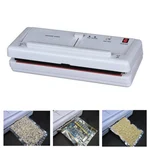

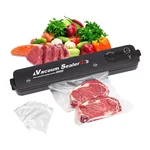
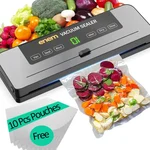
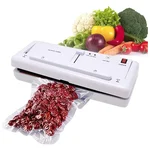
ENEM Vacuum Sealer Machine with Cutter and Free 10 Vacuum Pouches
₹2359 ₹3999 41% off
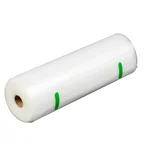
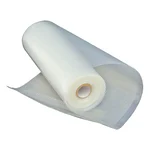
Premium Quality 20 cm X 5 meter Dotted Vacuum Bag Roll for Pouch Packing
₹499 ₹700 29% off
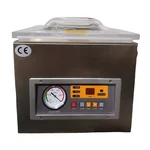
/1629543322984SJDI20211622.webp/sm)
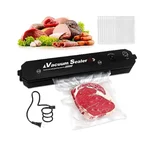
Table Top Vacuum Packaging Machine 260 × 10 mm, 1kW
₹27840 ₹31000 10% off
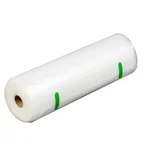
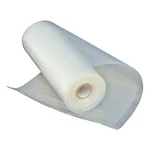
Premium Quality 22 cm X 15 meter Dotted Vacuum Bag Roll for Pouch Packing
₹1299 ₹1499 13% off
About Vacuum Sealers 
How to Choose the Right Vacuum Sealer Machine in India
Choosing the best vacuum sealing machine is crucial for anyone looking to improve food preservation, whether for home or business use. A vacuum sealer machine works by removing air from the packaging, significantly reducing the oxygen levels that promote the growth of bacteria, fungi, and germs. This process helps extend the shelf life of your food items, maintaining their freshness, flavour, and nutritional value.
With many models available in the market, it’s important to understand the key features and specifications to select the right vacuum packing machine that suits your specific needs in India.
Brands
Several trusted brands offer vacuum sealing appliances across India. Popular names include Vinayak Machines, Enem, Generic, and Smart Pack. These brands provide a wide range of food packaging machines from affordable home-use devices to robust commercial models. Each brand focuses on different features, so comparing their offerings based on your capacity and storage methods is vital.
Model Number
Each vacuum sealer model has a unique number that reflects its design and features. When choosing a model, consider factors like power consumption, seal bar length, vacuum pressure, and sealing modes. The model number helps identify the exact specifications and capabilities, making it easier to find the right equipment for your food preservation needs.
Types of Vacuum Sealers
Vacuum sealers mainly come in two types:
External Vacuum Sealers
These are common for home use and small businesses. The sealing bar is outside the vacuum chamber, and air is removed from the bag using suction. These machines are compact and affordable, ideal for sealing dry foods and smaller quantities.
Chamber Vacuum Sealers
Ideal for commercial and industrial use, chamber sealers remove air from both the bag and the entire chamber, making them efficient for sealing liquids and bulk packaging. They provide a stronger vacuum and better sealing quality, perfect for high-volume operations.
Power Sources
Vacuum sealers operate on various power sources to match different requirements:
Electric: The most common source, providing consistent power for frequent sealing.
Battery: Portable and convenient for light sealing tasks.
Manual: Hand-operated models for occasional or budget-conscious users.
Voltage
Most vacuum sealers run on a 220–240V power supply. Some models also offer dual voltage options, enabling use in different regions or countries. Confirm voltage compatibility before purchase to ensure safe operation.
Power Consumption
Depending on usage, power consumption varies widely:
Light-duty or home-use appliances generally consume 110W-150W.
Mid-range models use around 200W-600W.
Heavy-duty commercial sealers consume between 800W-1200W.
Industrial equipment may require 1500W-2000W or more.
Selecting the right power range balances energy efficiency with performance.
Seal Bar Length
The seal bar length determines the maximum width of the bags you can seal. Typical lengths include:
Small: 8-12 inches for compact bags.
Medium: 10-15 inches, suitable for most home and small business needs.
Large: 19-23 inches for bigger packages.
Extra-large: Up to 40 inches or customizable for industrial applications.
Choose a seal bar length that matches the size of your regular packaging for better bulk packaging capacity.
Vacuum Pressure
Vacuum pressure, measured in inches of mercury (inHg) or millibars (mbar), indicates how effectively the machine removes air. Common ranges are:
15-30 inHg (500-1000 mbar) for light to medium sealing.
25-29 inHg (850-980 mbar) for stronger vacuum needs.
Up to 29.9 inHg (1000 mbar) for near-complete air removal.
Higher vacuum pressure reduces oxygen inside bags, significantly slowing down bacteria growth and preserving freshness by creating a low-oxygen atmosphere inside the vacuum bag.
Sealing Mode
Modern vacuum sealers offer multiple sealing modes to handle different types of food:
Dry Mode: For dry foods like snacks or grains.
Moist Mode: For foods with moisture.
Sous Vide Mode: Gentle sealing for vacuum cooking.
Liquid Mode: Suitable for liquids or wet foods.
Marinate Mode: Circulates marinades during sealing.
Pulse Mode: Allows precise air removal for delicate items.
Manual Mode: Provides control over vacuum and sealing timing.
Choosing the right mode optimizes vacuum sealing and maintains food quality.
Speed
Efficiency is measured by several factors. Vacuum speed typically ranges between 5 to 15 seconds. Seal speed is usually between 1 to 5 seconds. The cycle speed, which is the total operation time, generally falls between 10 to 30 seconds. Faster speeds are important as they increase productivity, which is especially essential for commercial and industrial use.
Bag Compatibility
Vacuum sealers support various packaging types:
Rolls: For custom-sized bags.
Pre-cut Bags: Quick and convenient.
Zipper Bags: Resealable and reusable.
Using compatible vacuum bags or pouches ensures effective air removal and sealing.
Material
Vacuum sealers are constructed from:
Plastic: Lightweight and affordable for home use.
Stainless Steel: Durable for heavy-duty commercial use.
ABS Plastic: Stronger than regular plastic, balancing durability and cost.
Dimensions and Weight
Sizes vary. for example, a typical model might measure 14" x 5" x 7" and weigh around 3 to 4.5 lbs. Consider the available kitchen or workspace to ensure convenient placement.
Additional Features
Advanced features enhance both comfort and efficiency. A built-in cutter allows you to cut custom bag sizes with ease. The marinate function rapidly infuses flavor into food. An accessory port lets you connect hoses for sealing jars or canisters. The digital display provides clear controls and settings. The adjustable vacuum level lets you tailor the suction strength to your needs. An automatic shut-off feature helps prevent overheating. Finally, the moisture sensor adjusts the sealing process for wet foods.
Warranty
Warranties typically range from 1 to 2 years, with some brands offering limited lifetime coverage. A good warranty protects your investment and ensures after-sales support.
Colors
Vacuum sealers come in various colors such as black, white, silver, and red, allowing you to choose one that matches your kitchen or brand aesthetics.
Accessories
Essential accessories to consider include:
Vacuum Bags and Rolls: For different packaging needs.
Hoses: To connect the machine with external containers.
Canister Adapters: Allow vacuum sealing of jars and bottles.
These enhance the machine’s versatility and expand your food packaging options.
Noise Level
The noise output varies depending on the model. Quiet models are suitable for home use or small offices. Moderate noise levels are ideal for commercial kitchens. Loud noise levels are common in industrial-grade machines that have powerful motors.
Country of Manufacture
Vacuum sealing machines are manufactured in India, China, and the USA. Indian and Chinese machines tend to be more affordable, while American models often offer advanced features and durability.
Control Type
Control systems range from manual buttons and LED indicators to modern touchscreens, providing user-friendly operation tailored to your comfort level.
User Level
When choosing a vacuum sealer, consider your intended use. For home use, select a compact, lightweight, and easy-to-operate model. For commercial use, opt for durable and faster machines suitable for small to medium businesses. For industrial use, choose heavy-duty, high-capacity machines designed for continuous operation.
Price
The vacuum sealer machine price in India varies widely, from as low as ₹999 for basic home appliances to over ₹2,50,000 for advanced industrial models. This wide range allows buyers to select equipment that fits both budget and requirements.
Benefits of Using a Vacuum Sealer for Food Storage
Vacuum sealing is a proven method of food preservation that removes air to create a low-oxygen atmosphere inside the vacuum bag sealer or pouch. This process:
Extends Shelf Life: Slows down oxidation and bacteria growth by reducing oxygen levels.
Prevents Freezer Burn: Protects foods in the freezer from moisture loss and dehydration.
Saves Space: Compact packaging maximizes refrigerator and freezer capacity.
Maintains Flavour and Texture: Prevents loss of aroma and quality caused by air exposure.
Reduces Food Waste: Keeps food items fresh longer, minimizing spoilage.
Ideal for Bulk Packaging: Efficiently stores large quantities without sacrificing quality.
Improves Presentation: Vacuum-packed foods look professional for retail or gifting.
Cost-Effective: Saves money by extending the usable life of groceries and ingredients.
Vacuum sealing combines comfort, convenience, and efficiency to protect your food and maintain its natural goodness.
Frequently Asked Questions (FAQs)
What is the Purpose of a Vacuum Sealer Machine?
A vacuum sealer machine removes air from packaging to create an airtight seal. This process helps preserve food by reducing oxygen levels, which slows down the growth of bacteria, fungi, and spoilage. Vacuum sealing extends the shelf life and maintains the freshness, flavor, and quality of various food items.
How Do I Choose a Good Vacuum Sealer?
Choose a vacuum sealer based on your specific needs: consider the type, power source, seal bar length, vacuum pressure, sealing modes, and bag compatibility. Also, factor in your storage methods, budget, and usage frequency if you are using it for home, commercial, or industrial use. Trusted brands, warranty, and additional features like built-in cutters or digital displays also help ensure quality.
What Types of Foods Can You Vacuum Seal?
You can vacuum seal almost all types of foods, including dry goods like nuts and grains, moist foods like cheese and cooked meals, liquids such as soups, fresh fruits, vegetables, meat, seafood, and even marinated items. Different sealing modes are available to handle specific moisture levels and food types.
How Long Does Vacuum-Sealed Food Last?
Vacuum-sealed food typically lasts 3 to 5 times longer than food stored using conventional methods. For example, vacuum-sealed meat can last 1-3 years in the freezer without freezer burn, while fresh vegetables stay fresh for weeks longer in the refrigerator. Actual storage time varies based on the type of food and storage conditions.
Can You Reuse Vacuum Seal Bags?
Some vacuum seal bags, especially high-quality rolls and zipper bags, can be reused if cleaned properly and not damaged. However, single-use bags designed for one-time sealing are not recommended for reuse as they may not seal properly and could risk food safety.
Do Vacuum Sealers Remove All Air?
Vacuum sealers remove most of the air from the packaging, significantly reducing oxygen levels. However, a small amount of air may remain to protect delicate foods or when using pulse mode. Chamber vacuum sealers generally provide a stronger vacuum and remove nearly all air, ideal for liquid and bulk packaging.
Can I Vacuum Seal Leftovers?
Yes, vacuum sealing leftovers is a great way to extend their shelf life and reduce food waste. Use appropriate sealing modes for moist or cooked foods to prevent crushing or damage. Vacuum-sealed leftovers store better in the refrigerator or freezer and maintain freshness longer.
Can You Vacuum Seal Twice?
It is possible to vacuum seal a package twice if you add new contents or if the initial seal is compromised. However, resealing requires careful handling to avoid air leaks. Using quality bags and ensuring the first seal is intact is important to maintain airtight storage.