- Farm & Garden
- Pumps & Motors
- Food Processing
- Workshop, DIY & MRO
- Lab & Measuring Tools
Product Type
Price
Brands
Stock Availability
Packaging Tools
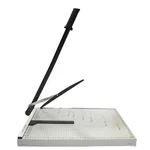
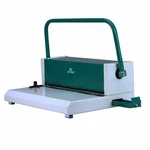

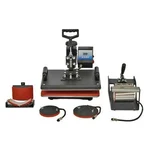
Heavy Duty 5-in-1 Digital Heat Press Machine for T-Shirts, Mugs, Caps & Plate ...
₹12980 ₹17339 25% off
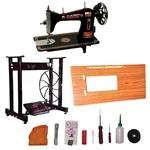
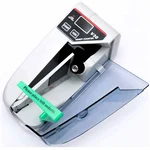
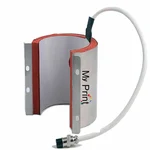
MY PRINT | Heat PAD 11Oz | Sublimation Mug Printing Machine Spare Parts
₹1390 ₹1946 29% off
About Packaging Tools 
What Are the Different Types of Packaging Tools Available?
Packaging tools come in a variety of types designed to meet the specific needs of different industries and products. Understanding these categories will help you choose the right packaging equipment for your business.
Bag Closing Machines
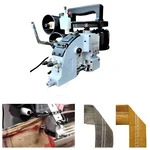
Bag closing machines are widely used for securely stitching or sealing the open ends of bags. They are available in manual, electric, and battery-operated types, with varying operating speeds and capacities. These machines are mostly constructed from durable metal with some plastic components and come in different sizes to handle various weights of bags. Industrial grade machines offer high capacity, stitching thousands of bags per hour, ideal for large-scale operations.
Heat Sealing Machines
Heat sealing machines bond plastic packaging materials by applying heat and pressure, creating airtight and tamper-proof seals. Available in multiple sizes and price ranges, they come as manual impulse sealers or automatic continuous band sealers. Their power source can be electric or battery-operated depending on your workspace needs. Heat sealers are especially useful for packaging perishable or sensitive products where maintaining freshness is critical.
Lamination Machines
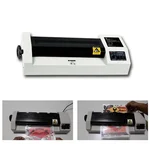
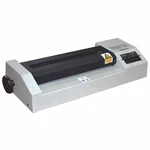
Lamination machines apply a protective film over printed packaging materials, enhancing durability, moisture resistance, and visual appeal. These machines vary in size, operating speed, and can be electric or manual. Lamination helps packaging retain quality over time, especially important for retail goods exposed to handling and environmental factors.
Heat Press Machines
Heat press machines use heat and pressure to imprint logos, designs, or promotional messages on packaging or products. They are available in manual and electric versions, varying in capacity and size. Typically constructed from metal and plastic, these machines combine durability with precision, making them ideal for branding and customization needs.
Packaging Consumables and Materials
The materials used in packaging, such as kraft paper boxes, corrugated cartons, tubs, and trays, are essential components. These materials come in various sizes, colors, and types, like plastic, metal, and wood. Selecting the right material and matching it with suitable equipment ensures the product’s protection and presentation.
To support efficient workflow, many businesses also invest in material handling tools like trolleys, carts, and dollies. These tools assist in moving heavy or bulky packaged goods within warehouses or production areas, reducing manual labor and the risk of damage.
How Do I Choose the Right Packaging Tools for My Business?
Selecting the ideal packaging equipment requires a careful evaluation of your business needs, product characteristics, and operational factors.
Start by assessing the type of products you package. The material, size, and weight of your goods significantly impact which packaging tools will be most effective. For example, delicate or lightweight items may require heat sealing machines with precise temperature controls to avoid damage. Heavy or bulkier products often need robust bag closing machines with a higher capacity and stronger stitching.
Your packaging volume and required operating speed are critical considerations. High-volume businesses typically benefit from electric or battery-powered machines that automate the packaging process and increase throughput. Smaller or new businesses might prefer manual or semi-automatic tools that offer flexibility and have a lower price range.
The power source of your packaging tools, whether manual, electric, or battery-operated, should align with your workspace setup and energy availability. For example, if your facility lacks reliable electricity, manual or battery-operated machines may be more practical.
Budget plays a key role in decision-making. While professional packaging equipment may have a higher upfront cost, it usually offers better durability, reduces waste, and lowers labor expenses over time. Always consider the packaging tools price in India carefully, balancing quality and affordability. Look for brands that provide a good warranty and reliable after-sales service to protect your investment.
Physical space is another important factor. If your packaging area is limited, choose compact machines with a smaller size and lighter weight. Some tools are designed to be foldable or portable, ideal for mobile operations or businesses with limited floor space.
The safety features of packaging equipment should never be overlooked. Machines equipped with safety guards, automatic shut-offs, and ergonomic designs help protect workers and reduce workplace injuries.
Many businesses now prefer to buy packaging tools online for convenience, access to a wide range of brands and models, and competitive pricing. Online platforms allow easy comparison of features, price ranges, and customer reviews.
What Are the Benefits of Using Professional Packaging Equipment?
Using professional packaging tools and equipment delivers multiple advantages that can transform your packing process, product quality, and overall business efficiency.
One of the biggest benefits is the dramatic increase in operating speed. Automated or semi-automated packaging machines can process orders faster than manual methods, helping you meet tight deadlines and scale production without expanding your workforce unnecessarily.
Professional packaging equipment also ensures superior product protection. Properly sealed packages reduce the risk of damage, contamination, and theft. This is especially important for fragile, perishable, or high-value goods. By using the correct packaging type and materials like plastic, metal, or wood, you enhance the durability and safety of your shipments.
Cost savings are another key advantage. Although professional tools may have a higher initial price range, they reduce material waste by optimizing the use of packaging supplies and minimize labor costs by automating repetitive tasks. This results in long-term savings and improved profit margins.
Workplace safety is significantly improved with the use of advanced packaging tools. Heavy or awkward packaging handled manually can cause injuries. Machines with built-in safety features help reduce physical strain and accidents. This not only protects your employees but also reduces downtime and insurance costs.
Scalability is crucial for growing businesses. Professional packaging equipment allows you to increase capacity smoothly, adapting to higher volumes while maintaining quality and consistency.
Finally, professional packaging tools elevate your brand image. Neat, secure, and well-presented packaging attracts customers and builds trust in your products.
Frequently Asked Questions (FAQs)
Are Packaging Tools Easy To Use For Beginners?
Yes, many packaging tools are designed with user-friendly features, making them easy for beginners to operate with minimal training.
What Is The Difference Between Manual And Automatic Packaging Machines?
Manual machines require human effort to operate, while automatic machines perform packaging tasks with minimal human intervention, increasing speed and efficiency.
Do Packaging Tools Come With A Warranty?
Most packaging tools come with a manufacturer’s warranty, but the terms and duration can vary depending on the brand and model.