- Farm & Garden
- Pumps & Motors
- Food Processing
- Workshop, DIY & MRO
- Lab & Measuring Tools
Product Type
Price
Brands
Stock Availability
Shrink Packagers
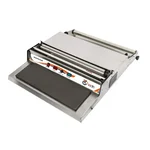
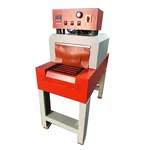
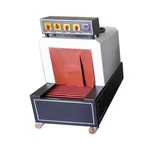
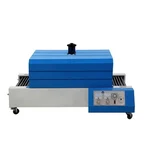
Heavy Duty Thermal Shrink Packaging Machine with Stand, 3kW
₹29999 ₹46500 35% off
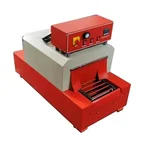

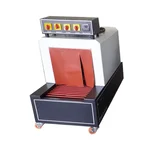
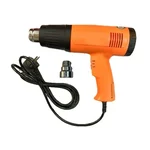
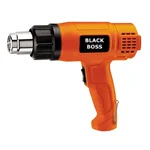
Boss pack 2000 Watts Hot Air Gun For Sweet packet shrink packing
₹2058 ₹2350 12% off
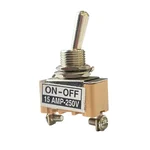
SP 2 Pin Toggle Switch for Shrink Tunnel Machine
₹339 ₹660 49% off
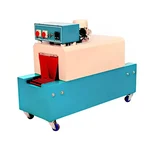
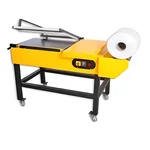
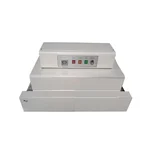
About Shrink Packagers 
What is a Shrink Wrapping Machine?
A shrink wrapping machine is an automated device used to wrap products in a plastic film that tightens when heat is applied. This process creates a tight, protective seal around the product, ensuring it’s safe from external factors such as moisture, dirt, and tampering. The shrinking effect of the film also enhances the visual appeal of the product, making it look professionally packaged.
Shrink wrap machines come in a variety of configurations, from manual models for small businesses to fully automated systems designed for high-volume production lines. The choice of machine depends on the scale of your operation, the types of products you need to package, and your specific packaging requirements.
Whether you’re packaging food, electronics, books, or any other product, a shrink wrap machine offers numerous advantages, such as increased packaging efficiency, improved product protection, and enhanced presentation.
Factors to Consider When Buying a Shrink Wrapping Machine
When choosing a shrink wrap machine, it’s essential to consider various factors that can affect your packaging needs. The right machine will not only improve efficiency but also ensure that your products are packaged securely.
Machine Type
Shrink wrapping machines come in different types based on their level of automation:
Manual Machines: These require full operator involvement for both loading and sealing. While slower, they’re suitable for small batches or businesses with limited budgets.
Semi-Automatic Machines: These machines automate the sealing process, requiring minimal manual intervention for loading and unloading. They strike a balance between efficiency and cost, making them ideal for moderate-volume production.
Fully Automatic Machines: These are designed for high-speed, high-volume packaging and automate the entire process, including product loading, film wrapping, sealing, and shrinking. Fully automatic machines are best suited for businesses with large-scale packaging needs.
Specialized Machines: For certain products, machines like sleeve wrappers or L-bar sealers are used. These machines are ideal for multi-pack or irregularly shaped items.
The right machine type will depend on your production volume and the complexity of your packaging requirements.
Film Type
Choosing the correct film is important to ensure the quality of the packaging. The most commonly used shrink films are:
PVC (Polyvinyl Chloride): Known for its glossy finish, PVC is often used for retail packaging due to its visual appeal. However, it is not as flexible as some other films.
PE (Polyethylene): This is a durable and cost-effective film, commonly used for general-purpose packaging. It is less rigid than PVC and can handle a variety of products.
POF (Polyolefin): A high-quality film with excellent clarity and strength, POF is often used in food packaging and for products that need a premium appearance. It’s versatile, resistant to punctures, and offers excellent shrinkage.
PET (Polyethylene Terephthalate): PET films are tear-resistant and strong, making them ideal for packaging heavier or high-value items. It is also eco-friendly, as it can be recycled.
Each film type offers unique benefits, so the choice of film should align with your product type, brand requirements, and budget.
Film Thickness
The thickness of the shrink film is another key consideration. Films typically range from 30 microns to 200 microns, and the ideal thickness depends on the product being wrapped:
Thin Films (30-50 microns): Ideal for lightweight products that don’t need heavy-duty protection.
Medium Films (50-100 microns): Suitable for most general-purpose applications, offering a balance of flexibility and durability.
Thick Films (100-200 microns): Perfect for heavier or fragile items that need extra protection during shipping or handling.
Selecting the right thickness ensures that your products are adequately protected without overusing materials, which can increase costs.
Sealing Method
The method used to seal the shrink film around the product is crucial to achieving a secure wrap. Some common sealing methods include:
Heat Sealing: The most common method, where heat is applied to bond the film’s edges together. It’s effective and works well for most products.
Impulse Sealing: A quick burst of heat seals the film for intermittent use, making it ideal for small batches.
Bar Sealing: This method uses a heated bar to seal the edges of the film, commonly used in automatic machines for high-volume production.
Continuous Sealing: Used in high-speed operations, continuous sealing ensures that the film is consistently sealed as it moves through the machine.
Each sealing method has its advantages and is chosen based on your production speed and product type.
Machine Speed
Machine speed is an essential factor, particularly for high-volume production. Shrink wrap machines typically range from 10 to 60 packs per minute, depending on the model. Higher-speed machines are ideal for larger operations where efficiency is critical. However, slower models may be sufficient for smaller businesses that don’t require high-volume output.
Shrink Tunnel Dimensions
Shrink tunnels are an integral part of the shrink wrapping process. They apply heat to the wrapped film, causing it to shrink and form tightly around the product. The size of the shrink tunnel will depend on your product’s dimensions. Common tunnel dimensions include:
Length: Ranges from 1200 mm to 3000 mm.
Width: Typically between 400 mm to 800 mm.
Height: Varies from 300 mm to 500 mm.
Make sure the shrink tunnel can accommodate the size of the products you plan to package.
Temperature Control
Temperature control is essential for achieving optimal shrink results. Most shrink wrap machines feature digital or analog temperature controls, allowing you to adjust the heat according to the type of film and the product. The typical temperature range is from 0°C to 300°C, providing flexibility for different shrink films.
Power Consumption
Shrink wrap machines vary in power consumption based on their size and output. Machines typically consume between 2 kW and 15 kW. Larger, high-speed models tend to use more power. When purchasing a shrink wrapping machine, consider the long-term energy consumption, as it can impact operating costs.
Machine Warranty
A reliable warranty is essential to protect your investment. Most shrink wrapping machines come with a warranty of 1 to 3 years, depending on the manufacturer. Always review the warranty details to ensure you have adequate coverage for repairs or replacements.
Benefits of Using a Shrink Wrapping Machine
Investing in a shrink wrapping machine offers multiple advantages for your business:
Enhanced Protection: Shrink wrapping keeps products safe from environmental elements like dust, moisture, and tampering.
Increased Efficiency: Automating the wrapping process significantly speeds up production and reduces labor costs, especially for high-volume operations.
Professional Appearance: A shrink-wrapped product has a polished, tamper-evident look that appeals to customers and improves shelf appeal.
Cost-Effectiveness: While the initial investment may be higher, shrink wrapping machines reduce the long-term costs associated with manual labor and material waste.
Hygienic Food Packaging: As one of the key food packaging machines, shrink wrap machines help maintain cleanliness and prevent contamination, which is critical for food safety compliance.
Why Choose Toolsvilla for Shrink Wrap Machines?
At Toolsvilla, we offer a wide range of high quality shrink wrap machines to meet the needs of businesses of all sizes. Here’s why you should choose us:
Expert Advice: Our experienced team provides personalized guidance to help you select the right shrink wrapping machine for your business needs.
Competitive Pricing: We offer top-quality machines at some of the best prices in the market, ensuring that you get value for your money.
Reliable Support: We provide comprehensive after-sales support, ensuring that you get the most out of your investment.
Fast Delivery: We understand the urgency of your packaging needs, and our fast delivery ensures that your machine arrives on time, ready for use.
By carefully considering these factors and selecting the right machine, you can enhance the efficiency, protection, and presentation of your product packaging. A shrink wrap machine can make a significant difference in streamlining your operations while ensuring that your products are safely and professionally packaged.
Frequently Asked Questions (FAQs)
What is a shrink wrap machine used for?
A shrink wrap machine is used to wrap products in a plastic film that tightens when heat is applied. It's commonly used to package items such as food, electronics, books, and other retail products, providing protection, tamper evidence, and enhanced presentation.
How does it work?
The machine wraps a product in a plastic film, and then a heat tunnel or sealing bar is used to apply heat. The heat causes the film to shrink tightly around the product, creating a secure, tamper-evident seal. This process protects the product from dust, moisture, and tampering.
What are the main components?
The main components of a shrink wrap machine include:
Film dispenser: Holds and feeds the shrink film.
Sealing bar: Seals the edges of the film around the product.
Heat tunnel: Applies heat to shrink the film tightly around the product.
Control panel: Allows operators to set temperature, sealing time, and speed.
Why is shrink wrapping important in packaging?
Shrink wrapping is crucial because it provides a secure and protective layer for products. It prevents contamination, moisture, and tampering, extending the shelf life of items. Additionally, it enhances the visual appeal of products, making them more attractive on store shelves.